It’s always shining, always ablaze with light and energy that drive weather, biology and more. In addition to keeping life alive on Earth, the sun also sends out a constant flow of particles called the solar wind, and it occasionally erupts with giant clouds of solar material, called coronal mass ejections, or explosions of X-rays called solar flares. These events can rattle our space environment out to the very edges of our solar system. In space, NASA’s Solar Dynamics Observatory, or SDO, keeps an eye on our nearest star 24/7. SDO captures images of the sun in 10 different wavelengths, each of which helps highlight a different temperature of solar material. In this video, we experience SDO images of the sun in unprecedented detail. Presented in ultra-high definition, the video presents the dance of the ultra-hot material on our life-giving star in extraordinary detail, offering an intimate view of the grand forces of the solar system.
Friday, 6 November 2015

Thursday, 19 February 2015
Wednesday, 19 November 2014
Wednesday, 21 May 2014
Saturday, 11 January 2014
Friday, 3 January 2014
Wednesday, 7 August 2013
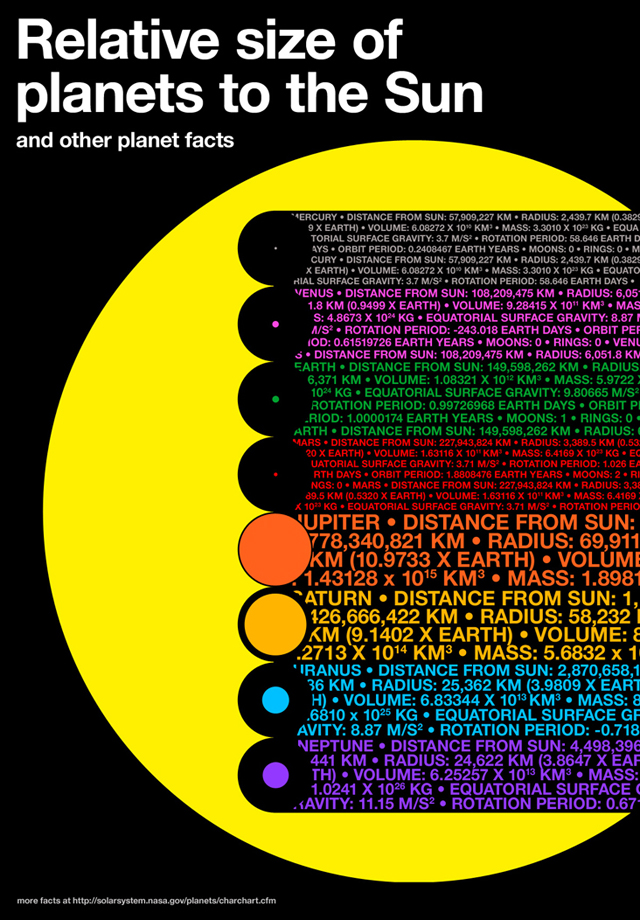
Saturday, 27 April 2013
Wednesday, 27 March 2013
Wednesday, 26 December 2012
Thursday, 15 November 2012
The Cognitive Benefits of Being Bilingual
Today, more of the world’s population is bilingual or multilingual than monolingual. In addition to facilitating cross-cultural communication, this trend also positively affects cognitive abilities. Researchers have shown that the bilingual brain can have better attention and task-switching capacities than the monolingual brain, thanks to its developed ability to inhibit one language while using another. In addition, bilingualism has positive effects at both ends of the age spectrum: Bilingual children as young as seven months can better adjust to environmental changes, while bilingual seniors can experience less cognitive decline.
Subscribe to:
Posts (Atom)